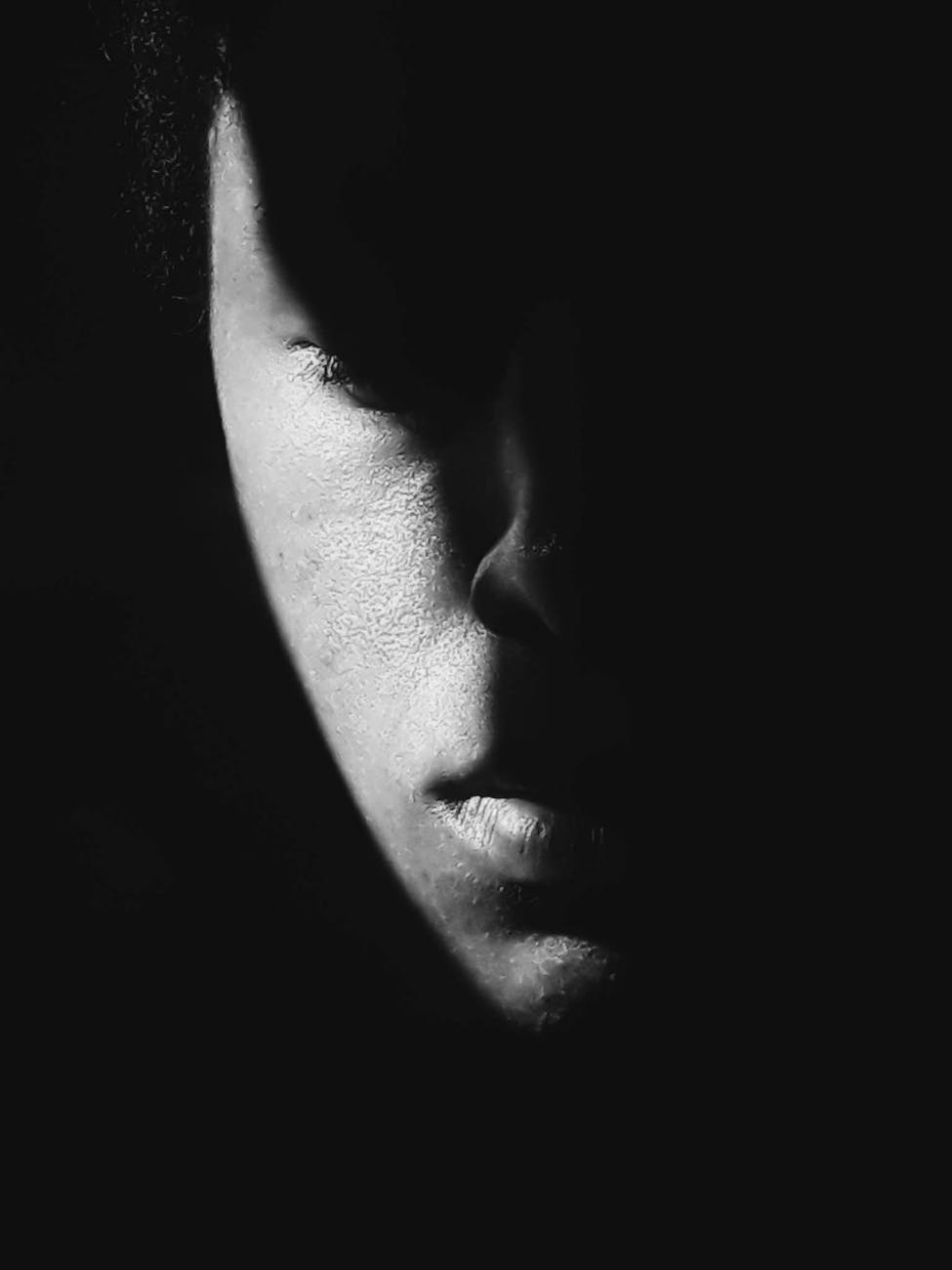
They washed his body before sunrise, when the air was still cool and the compound quiet except for the soft rustle of banana leaves. The water came from the river, cold enough to sting the hands. Mama worked slowly, carefully, as though her touch alone could keep him from leaving. The seven daughters stood nearby, passing soap, holding cloth, watching the shape of their father become something finished.
When it was done, they wrapped him in a white sheet borrowed from the church. The bed felt suddenly too large, the room strangely hollow, as if the walls themselves had stepped back.

By morning, people arrived in steady waves. Neighbours, church women, distant relatives. They brought sugar, tea leaves, condolences. Some cried openly. Others whispered. Everyone knew what the girls knew but did not say aloud: after the burial, the house would no longer be theirs.
Their uncle arrived just before noon, his car sending up dust that settled on the cassava leaves. He wore dark glasses and moved with the confidence of someone used to being obeyed. When he greeted Mama, his words were correct, his tone respectful, but his eyes slid past her, already measuring the land.
“Pole sana,” he said. Very sorry.
Mama nodded. Her mouth did not trust itself to speak.
Under the mango tree, the elders gathered. The uncle spoke there, his voice calm and practiced. He spoke of custom, of responsibility, of how a man’s property must be protected for the clan. He did not mention Mama’s name. He did not look at the daughters, though they stood close enough to hear every word.
Wanjiku, the eldest, felt anger burn beneath her ribs. At seventeen, she understood what protection meant when spoken by men like her uncle. It meant removal. It meant silence. She looked at her sisters: Njeri staring hard at the ground; Nyambura rocking slightly as if to soothe herself; the twins clutching each other’s hands; Zuri, the youngest, tugging at Mama’s skirt, asking when Baba would wake up.
That night, mourners slept on mats across the compound. The fire crackled low. Mama called her daughters into the house and closed the door. For the first time all day, she sat on the bed.
“They will talk after the burial,” she said quietly. “Your uncle will say this land is not mine.”
“Can he do that?” Nyambura asked.
Mama did not answer immediately. She looked at the walls: mud and tin, cracked in places, built with her husband’s hands and her own. She thought of the years she had planted, harvested, buried children and goats, laughed and argued and lived here.

“He has the law,” Mama said at last. “And tradition.”
Silence fell like a weight.
“But we have each other,” Wanjiku said, surprising herself with the steadiness of her voice.
Mama looked up then, really looked at her daughters, as if seeing them not as children but as something stronger, something unfinished.
The burial passed in prayers and hymns. Soil hit the coffin with a sound that seemed too loud, too final. Mama did not collapse. She stood, supported by her daughters, her face set like stone.
Afterwards, the uncle approached the house. His steps were slow, deliberate. He cleared his throat.
“We will meet soon,” he said. “To decide what happens next.”
Before Mama could speak, Wanjiku stepped forward. Then Njeri. Then all seven daughters moved, forming a line between the uncle and the door. They said nothing. They did not shout or beg. They simply stood, their shoulders touching, their feet planted in the red earth.
The uncle frowned, unsettled. He had expected tears, weakness, gratitude. He had not expected silence.
For a moment, no one moved. Then he turned away, muttering something about another day.
That evening, Mama lit the fire herself. The house still stood. The night still came. Fear did not disappear, but neither did they.
They had no papers, no sons, no powerful voices to speak for them. What they had was presence. Memory. The stubborn refusal to step aside.
For now, that was all.
And for now, it was enough.
Leave a Reply